Top 10 Benefits of Using AC Charging Stations for EVs?
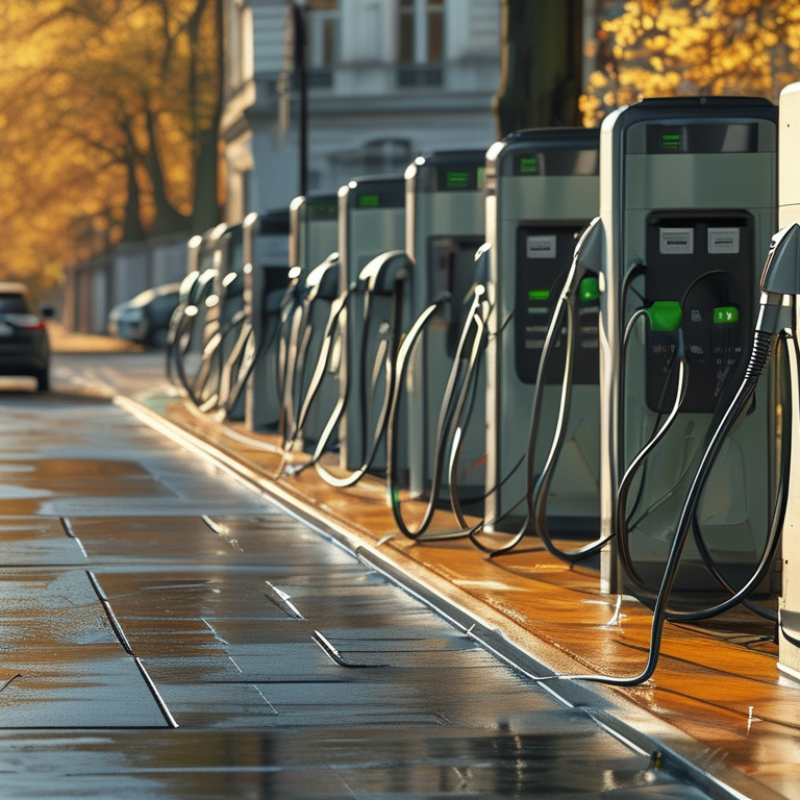
As electric vehicles (EVs) become increasingly popular, the importance of Ac Charging Stations is undeniable. These stations provide a vital service for EV owners. They enable convenient and efficient recharging of vehicles, contributing to the overall sustainability of transportation.
The widespread adoption of AC charging stations supports not only individual drivers but the environment as well. By transitioning to electric power, we reduce carbon emissions and dependency on fossil fuels. However, the infrastructure still has room for improvement. Many regions lack ample charging points, which can create challenges for drivers. Additionally, the charging speed at some AC charging stations may not meet user expectations.
Nevertheless, the benefits of using AC charging stations far outweigh the drawbacks. From cost savings to maximizing the longevity of electric vehicle batteries, these stations are essential. They enhance the EV experience and promote a more sustainable future. Understanding these advantages is key to embracing electric mobility fully.
Benefits of AC Charging Stations for Electric Vehicles
The rise of electric vehicles (EVs) has spotlighted AC charging stations as a vital infrastructure. These stations provide numerous benefits that enhance the EV ownership experience. For instance, according to a report by the International Energy Agency, the number of AC charging points is steadily increasing, supporting the growing demand for EVs. AC power delivery is easier to integrate into existing electrical setups, making it a popular choice for homes and public places alike.
One major benefit of AC charging stations is accessibility. Unlike DC chargers, they can be installed in various locations, from residential garages to shopping centers. This flexibility helps alleviate range anxiety among EV drivers. Additionally, the charging speed at AC stations is adequate for most daily use cases, allowing vehicles to fully charge overnight. Reports show that nearly 70% of EV owners recharge their cars at home, making AC stations essential for seamless charging experiences.
Tips for EV owners: Always check charging station availability before planning long trips. Use mobile apps to locate nearby AC stations. Understand the charging capabilities of your vehicle, as some models charge more efficiently at AC stations. However, be aware that charging rates can vary significantly, making it wise to compare options.
Top 10 Benefits of Using AC Charging Stations for EVs
Cost-Effectiveness of AC Charging for EV Owners
AC charging stations stand out for their cost-effectiveness. For many electric vehicle (EV) owners, these stations provide a wallet-friendly charging option. Typically, AC charging is cheaper than DC fast charging. This economic benefit encourages more EV users to adopt electric vehicles, making it a viable option for daily commuters.
Charging at AC stations can be more convenient than expecting a higher power station to be available. Many public AC charging locations are installed in areas like shopping centers or parking lots. While these stations may charge at a slower rate, they often cost less. This allows EV owners to charge their vehicles while going about their daily activities. However, this convenience can sometimes lead to longer wait times at busy locations, requiring patience from users.
Moreover, using AC charging can lead to a more sustainable energy consumption pattern. Charging during off-peak hours can result in lower electricity costs. Incentives available in various regions can further enhance savings. Yet, it is essential to reflect on potential challenges, like infrastructure limitations or the growing demand for EV charging, which may affect accessibility and costs over time.
Convenience and Accessibility of AC Charging Locations
Electric vehicles (EVs) are becoming more popular, and the convenience of AC charging stations plays a significant role in that growth. According to the U.S. Department of Energy, the U.S. has over 41,000 public charging stations available. This extensive network makes it easier for drivers to find charging locations, enhancing accessibility. Many of these charging stations are located in places like shopping centers and parking garages. This means you can charge while you shop or run errands.
One significant advantage of AC charging stations is the time flexibility they offer. AC chargers typically come with Level 2 charging options, which can deliver around 25 miles of range per hour. For daily charging, this can be more than sufficient for many drivers. Moreover, findings from a recent EV market report indicate that users are more likely to adopt EVs when they perceive charging as convenient.
Tips: To make the most of available charging stations, plan your routes ahead. Know where your charging stops are. Always check for availability before you leave. Remember, not all stations are equal; charging speeds can vary. Being prepared can save you from delays.
Environmental Impact of Increased AC Charging Infrastructure
The growing AC charging infrastructure for electric vehicles (EVs) significantly reduces greenhouse gas emissions. More charging stations mean more EVs on the road, leading to a decrease in fossil fuel dependency. Each electric vehicle on the road can eliminate a substantial amount of carbon dioxide emissions.
With increased AC charging options, communities can promote cleaner air and reduced noise pollution. This shift can enhance public health, making urban areas more livable. The move towards AC charging also encourages renewable energy use, as many stations can be powered by solar or wind sources.
Tips for optimizing the use of charging stations include planning your trips around charging locations. Check for AC charging stations in advance. This can save time and ensure you have access to a charge. Additionally, consider charging during off-peak hours. This not only can reduce electricity costs but also helps to balance the demand on the grid.
Reflecting on the infrastructure’s evolution, not all areas have equal access to charging stations. Efforts must be made to ensure that all communities benefit from this technology. Equity in charging availability is crucial for widespread EV adoption.
Enhanced Battery Life and Performance with AC Charging
Using AC charging stations can significantly enhance the battery life and performance of electric vehicles (EVs). Unlike rapid DC charging, AC charging operates at a steady rate. This consistency helps in maintaining optimal battery temperatures. When batteries heat up too much, they can suffer degradation over time. Regularly charging with AC can prevent this, preserving battery health.
With AC charging, the batteries enjoy a more gentle charging cycle. This approach reduces stress on the battery cells. As a result, drivers may notice improved driving ranges. Long-term users often report fewer issues with battery capacity loss. This effectiveness is crucial as EVs age, ensuring their longevity.
However, it's important to note that not all AC charging stations provide the same benefits. Some may deliver lower power outputs, extending charging times. Users should consider their charging habits and needs. Regular assessments of charging station quality also play a role. Ultimately, informed decisions can lead to better battery management strategies.