Why Choose Sustainable Building Materials for a Greener Future?
In recent years, the need for Sustainable Building Materials has become increasingly urgent. These materials promote energy efficiency and reduce waste. They help limit the carbon footprint of construction projects. This choice can lead to healthier living environments. For many, the term "sustainable" feels like a buzzword. Yet, its importance cannot be overstated.
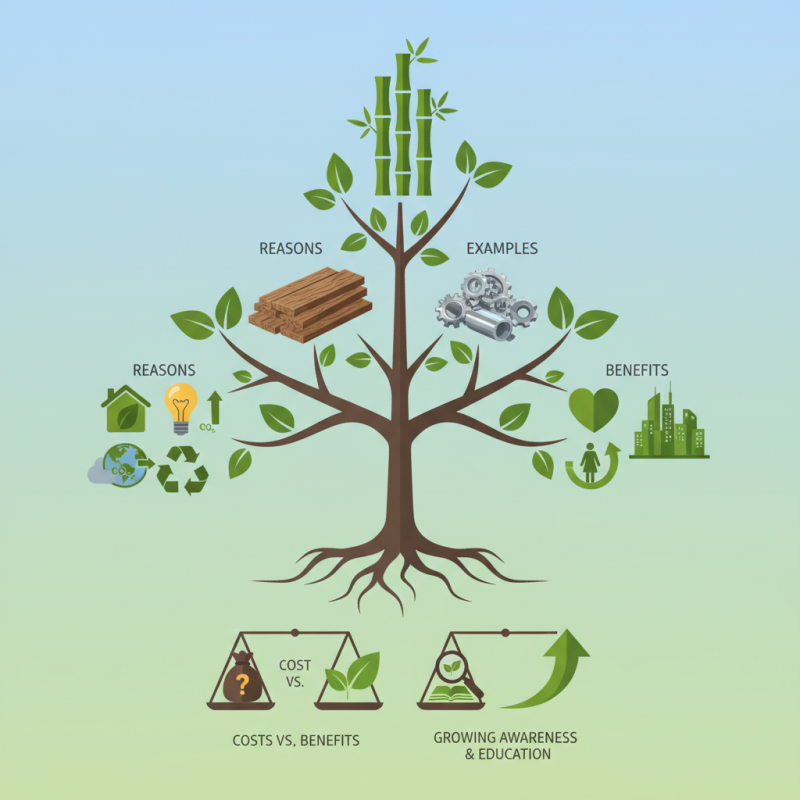
Sustainable Building Materials come from renewable resources. They often have lower environmental impacts. Bamboo, reclaimed wood, and recycled metals are prime examples. However, not all sustainable options are perfect. Sometimes they may cost more upfront. It is crucial to weigh both the short-term costs and long-term benefits.
There is also a growing awareness about harmful materials. Builders and homeowners are shifting towards sustainable choices. This change reflects a desire for a greener future. Yet, challenges remain. Awareness and education about these materials are still limited. Every step towards sustainability matters, no matter how small.
Benefits of Sustainable Building Materials for Environmental Health
Sustainable building materials offer significant benefits for environmental health. According to the World Green Building Council, buildings are responsible for nearly 40% of global carbon emissions. Utilizing sustainable materials can reduce this impact. For example, using bamboo instead of traditional wood can cut emissions by 80%. Bamboo grows quickly and regenerates without replanting, making it a strong option.
Additionally, sustainable materials improve indoor air quality. Volatile organic compounds (VOCs) are often found in conventional materials. These can harm respiratory health. The U.S. Environmental Protection Agency states that indoor air can be two to five times more polluted than outdoor air. Using low-VOC paints and finishes helps mitigate this issue. It's essential to think about these factors when choosing building materials.
While many are aware of the benefits, challenges remain. Not all sustainable materials are readily available or affordable. This leads to a reliance on traditional options that may not be eco-friendly. Awareness must be raised, and more research is needed. The journey towards sustainable buildings has obstacles, but the potential benefits for our environment are undeniable.
Economic Advantages of Choosing Sustainable Materials in Construction
Choosing sustainable building materials offers significant economic advantages in construction. These materials often reduce energy costs by enhancing insulation and efficiency. For example, bamboo and recycled steel are both durable and cost-effective, which lowers long-term expenses. Additionally, using local materials can minimize transportation costs, leading to further savings.
Tips: Always consider the lifecycle of materials. Seek options that require less maintenance. This not only saves money over time but also reduces resource consumption.
Investing in sustainable materials often leads to better regulatory support. Many governments incentivize eco-friendly construction practices. This can translate into tax benefits or grants, making sustainable choices even more appealing. It's essential, however, to research local regulations. Stay informed about incentives and requirements that may apply to your project.
Tips: Collaborate with local suppliers for better sourcing. Building relationships with vendors can lead to more competitive pricing. Keep an open dialogue about your sustainability goals for optimal results.
Comparison of Traditional vs. Sustainable Materials in Building Projects
The construction industry faces a critical choice: traditional materials or sustainable options. Traditional building materials, like concrete and steel, excel in strength and durability. Yet, their production often results in high carbon emissions. According to the Global Carbon Project, the cement industry alone contributes about 8% of global CO2 emissions. This alarming statistic highlights the pressing need for change.
Sustainable materials, such as bamboo and recycled steel, offer eco-friendlier alternatives. Bamboo grows rapidly and absorbs more CO2 than trees. A study by the Ministry of Housing and Urban-Rural Development suggests that using bamboo can reduce carbon footprints by up to 50% compared to conventional timber. However, challenges remain. Availability and familiarity with sustainable materials can limit their use. Builders often find them less reliable or worry about life cycle performance.
Choosing sustainable materials may seem daunting. Yet, the benefits can outweigh the perceived risks. Sustainable options are often more energy-efficient, which can reduce long-term operational costs. However, it’s essential to analyze whether the initial investment aligns with long-term sustainability goals. Balancing environmental impact with practicality is crucial for the future of the construction industry.
Why Choose Sustainable Building Materials for a Greener Future?
| Material Type |
Environmental Impact (CO2 Emissions) |
Renewability |
Durability |
Cost (per square meter) |
| Traditional Concrete |
120 kg CO2 |
Non-renewable |
50+ years |
$65 |
| Bamboo |
30 kg CO2 |
Renewable |
25 years |
$50 |
| Recycled Steel |
35 kg CO2 |
Renewable (through recycling) |
50+ years |
$75 |
| Cork |
10 kg CO2 |
Renewable |
30 years |
$60 |
| Wood (FSC Certified) |
20 kg CO2 |
Renewable |
35 years |
$55 |
Innovative Technologies Supporting Sustainable Building Material Practices
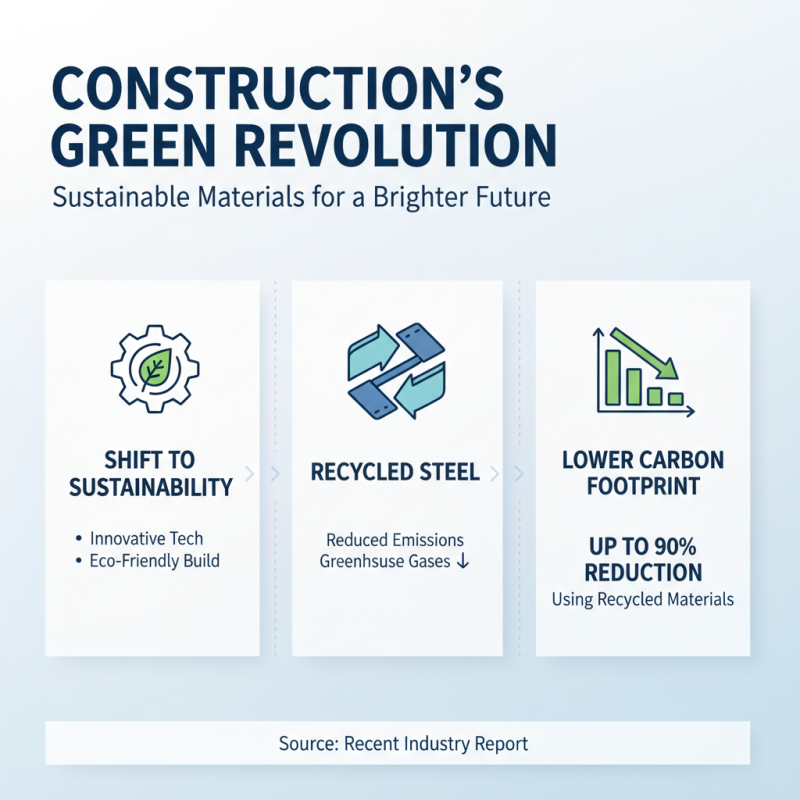
The construction industry is shifting. Innovative technologies are paving the way for sustainable building materials. For instance, the adoption of recycled steel reduces greenhouse gas emissions. According to a recent report, using recycled materials can lower carbon footprints by up to 90%.
Digital tools are also transforming material sourcing. Software that predicts life-cycle analysis helps architects choose eco-friendly options. AI can suggest local suppliers, reducing transportation emissions. These technologies not only enhance sustainability but also promote cost-efficiency.
Tips: When selecting materials, consider their environmental impact. Look for certifications that verify sustainability. Collaborate with tech-savvy architects to maximize resources.
Sustainable practices are not always easy. Some materials may be more expensive upfront. However, they often save money in the long run through energy efficiency. Be prepared to research and analyze your choices carefully. Balancing cost and sustainability can be challenging but rewarding.
Case Studies: Successful Implementation of Sustainable Materials in Construction
The construction industry has seen a shift towards sustainable building materials. This change is crucial for our environment. Case studies highlight the success of using materials like recycled steel and reclaimed wood. These options not only reduce waste but also lower the carbon footprint.
One notable example is a community center built with straw bales. The walls are insulated with this natural material. It’s efficient and sustainable. However, some challenges arose. The initial investment was higher than traditional methods. Additionally, gaining local approval took longer than expected.
Another case involved using bamboo for structural support. This fast-growing resource is strong and versatile. It offered a unique aesthetic while being eco-friendly. Yet, sourcing high-quality bamboo proved tricky. Local availability and treatment processes are key areas for improvement. These experiences show that while the benefits are clear, there are hurdles to overcome.
Why Choose Sustainable Building Materials for a Greener Future?
This chart illustrates the percentage use of various sustainable building materials in construction projects, showcasing the growing trend towards eco-friendly choices in the industry.