How to Choose the Best Window and Door Options for Your Home?
Choosing the right Window & Door options for your home is crucial. They influence both aesthetics and energy efficiency. According to the “2021 Cost vs. Value Report,” new windows can yield up to 70% return on investment. A good selection can dramatically enhance your home’s curb appeal.
However, many homeowners overlook the importance of high-quality materials. Poor choices can lead to drafts and increased energy bills. Reports from the National Association of Home Builders suggest that about 30% of homeowners experience issues with window and door installations. This might stem from inadequate research or hasty decisions.
Understanding your specific needs is essential. Factors such as local climate, home style, and budget should guide your choices. Many feel overwhelmed by the wide variety of options. Yet, taking time to evaluate these factors ensures a sound investment. Reflecting on your unique preference will lead to a more satisfactory outcome.
Understanding Different Types of Windows and Doors Available
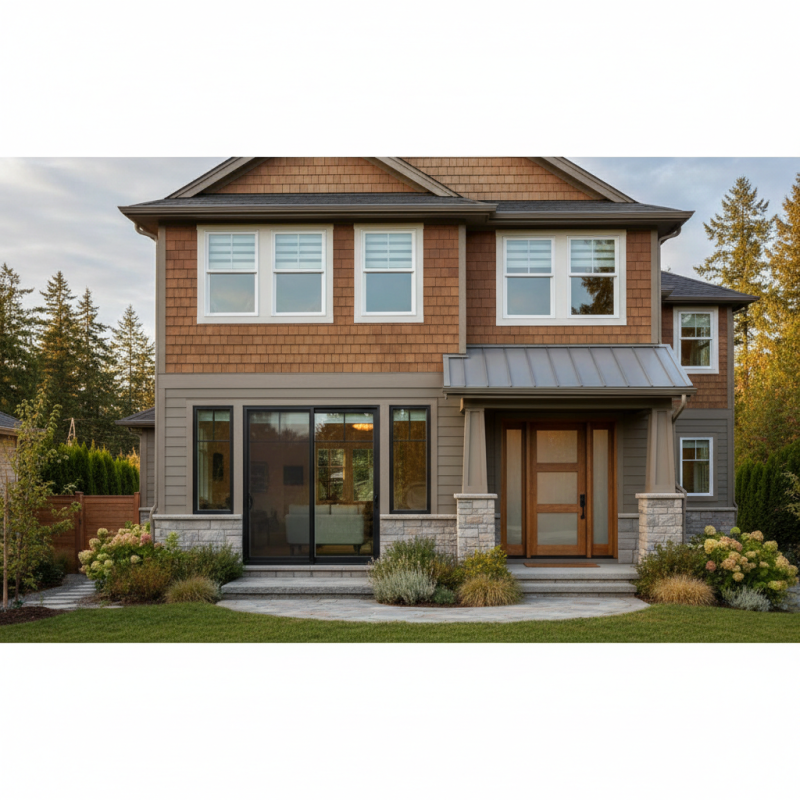
When selecting windows and doors for your home, it’s essential to understand the different types available. Windows come in various styles, such as double-hung, casement, and sliding. Each style has its pros and cons. For instance, double-hung windows are easy to clean but may not offer the best insulation. Casement windows provide excellent ventilation but can be tricky in tight spaces.
Doors are equally diverse, with options like hinged, sliding, and bi-folding. A hinged door is traditional and often more secure, while sliding doors save space. Bi-folding doors create a seamless indoor-outdoor flow but can be costly and require more maintenance.
Consider the materials too. Wood offers warmth and charm but needs regular upkeep. Vinyl is durable and low-maintenance but may not fit every aesthetic. Reflect on what truly fits your lifestyle and home design; sometimes, the most practical choice isn’t the most appealing. Balancing functionality with style is key in this decision-making process.
Evaluating Energy Efficiency Ratings for Windows and Doors
When selecting windows and doors, energy efficiency ratings are crucial. These ratings indicate how well products can insulate your home. This impacts your energy bills and comfort level. Look for the U-factor, a measure of heat transfer. A lower U-factor means better insulation. For windows, consider the Solar Heat Gain Coefficient too. It represents how much solar heat enters your home. Aim for options that offer a balance between natural light and heat control.
Infrared camera tests can reveal how much heat escapes through doors and windows. Sometimes, even small drafts can lead to significant energy loss. Traditional materials may not always perform well. In some cases, they may require frequent replacement, leading to additional costs. Newer materials often offer better efficiency. However, they might have higher upfront costs. Weigh these factors carefully.
Choosing the best option is not always straightforward. Personal preferences play a role. Factors like aesthetics and function will influence your decision. You might love a classic style but struggle with efficiency. It’s essential to find products that meet both aesthetic and performance needs. Testing various options in your home environment could provide more insights. Consider consulting energy efficiency experts for guidance tailored to your needs.
Energy Efficiency Ratings for Windows and Doors
Assessing Aesthetic and Functional Aspects for Your Home Style
Choosing the right windows and doors significantly affects your home's aesthetic and functionality. Different styles cater to various tastes. For instance, modern homes often prefer large glass panels for an expansive view. Traditional homes might opt for smaller, divided lights for cozy charm. According to industry reports, about 70% of homeowners prioritize aesthetics in their selection.
Functionality is equally important. Energy efficiency should be a priority. The U.S. Department of Energy states that efficient windows can save homeowners up to $465 annually. Yet, many overlook this aspect in favor of style. It's essential to balance beauty with practicality. Some designs may be attractive but lack insulation. Choosing the right materials can also affect long-term durability.
Additionally, consider local climate. High humidity may affect the types of materials you choose. Wood might mold easily, while vinyl could fade in bright sunlight. Reflecting on these factors can lead to better decisions. Some homeowners regret not considering their environment when making choices. Aesthetics should not overpower function. They must complement each other for the best results.
Considering Material Choices for Durability and Maintenance
Choosing window and door materials is crucial for your home’s durability. Research shows that around 70% of homeowners consider energy efficiency as a key factor. Vinyl and fiberglass are popular choices due to their low maintenance needs. They resist weathering and don’t require painting or staining.
Wood offers natural beauty but demands more upkeep. It needs regular painting and sealing to stay in good shape. Data from the American Institute of Architects reveals that up to 25% of homeowners regret their wood choices after noticing decay.
Aluminum windows are strong but lack insulation. They can lead to higher energy bills over time. A study by the Department of Energy indicates that improperly chosen materials could increase heating and cooling costs. It's essential to weigh aesthetics against long-term maintenance. Choosing the right material can make a big difference.
Budgeting for Quality and Installation of Windows and Doors
Budgeting for windows and doors is crucial for any home renovation. Many people overlook hidden costs. You must consider materials, installation, and maintenance. Quality products often come with a higher price tag. Cheaper options may save money initially but can lead to repairs down the line.
Measure your space accurately. Misjudging your needs can lead to overspending. Installation costs can vary widely. Hiring professionals can be pricey but ensures proper fitting. DIY may save cash, but it risks mistakes. Research local labor costs to avoid surprises. Always allocate funds for unexpected expenses.
Don’t forget about energy efficiency. Investing slightly more can reduce bills. Look for energy ratings. They indicate long-term savings. Analyze your typical energy usage. It may help justify the extra expense. Reflect on your choices. A well-planned budget leads to better satisfaction with your selections.