How to Choose Sustainable Building Materials for Architecture
In recent years, the construction industry has increasingly embraced Sustainable Building Materials Architecture. This shift aligns with the global push for greener practices. According to a report by the Global Alliance for Buildings and Construction, buildings account for nearly 39% of global carbon emissions. Thus, the choice of materials greatly influences environmental impact.
Selecting the right materials is crucial. Traditional options like concrete and steel often have high embodied energy. In contrast, sustainable alternatives can reduce this by up to 50%. Bamboo, reclaimed wood, and recycled metals show promise in minimizing ecological footprints. However, not all sustainable materials perform equally. Some may lack durability or availability, necessitating careful evaluation.
Understanding these factors involves navigating a complex landscape. The lack of standard definitions can lead to confusion. Architects need to balance aesthetics, cost, and sustainability. This decision-making process requires informed judgment. Engaging with suppliers and conducting life cycle assessments are vital steps. In this evolving field, architects must consider both current data and future implications of their choices.

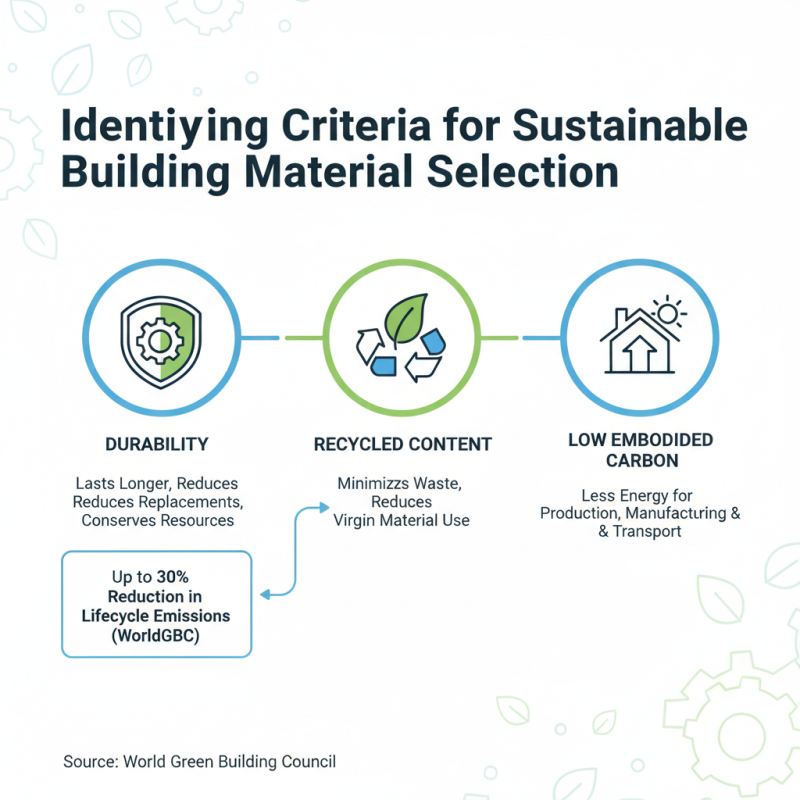
Identifying Criteria for Sustainable Building Material Selection
When selecting sustainable building materials, several key criteria should be considered. Durability is crucial; materials that last longer reduce the need for replacements and ultimately conserve resources. Research by the World Green Building Council indicates that durable materials can lead to up to a 30% reduction in lifecycle emissions.
Another important factor is the source of materials. Local sourcing not only supports the economy but also reduces transportation emissions. The U.S. Green Building Council reported that locally sourced materials can cut transportation-related emissions by nearly 40%. This aligns with the principles of sustainability by minimizing the carbon footprint.
Recyclability is also a significant criterion. Materials that can be recycled or repurposed at the end of their life cycle contribute to a circular economy. A study found that recycling construction waste can divert 90% of debris from landfills. However, challenges remain. Not all materials are straightforward to recycle, and the infrastructure for recycling varies widely across regions. This inconsistency requires careful planning and consideration.
Evaluating Environmental Impact and Life Cycle Assessment
When evaluating sustainable building materials, life cycle assessment (LCA) is a key tool. LCA analyzes a material's environmental impact from extraction to disposal. According to the American Life Cycle Inventory database, over 80% of a building’s environmental impact occurs during the operational phase. Thus, it is crucial to consider energy efficiency alongside material selection.
Materials like reclaimed wood and recycled steel often outperform traditional options. A study from the Forest Products Laboratory shows that using recycled content can reduce overall resource consumption by up to 30%. However, not all sustainable materials are created equal. Some green solutions may require more energy to process, offsetting their benefits. For example, low-VOC paints are popular for indoor air quality but can involve energy-intensive production processes.
It's essential to question the full implications of any material choice. Are the carbon savings significant compared to traditional materials? How do manufacturing methods affect local ecosystems? These are complex questions without easy answers. By engaging with LCA reports, architects can make better-informed choices that align with both sustainability goals and environmental realities.
Environmental Impact of Different Building Materials
This chart illustrates the environmental impact of various sustainable building materials based on their carbon footprint, water usage, and overall sustainability rating. Each material represents a different approach to minimizing ecological harm in architecture.
Exploring Renewable and Recycled Material Options
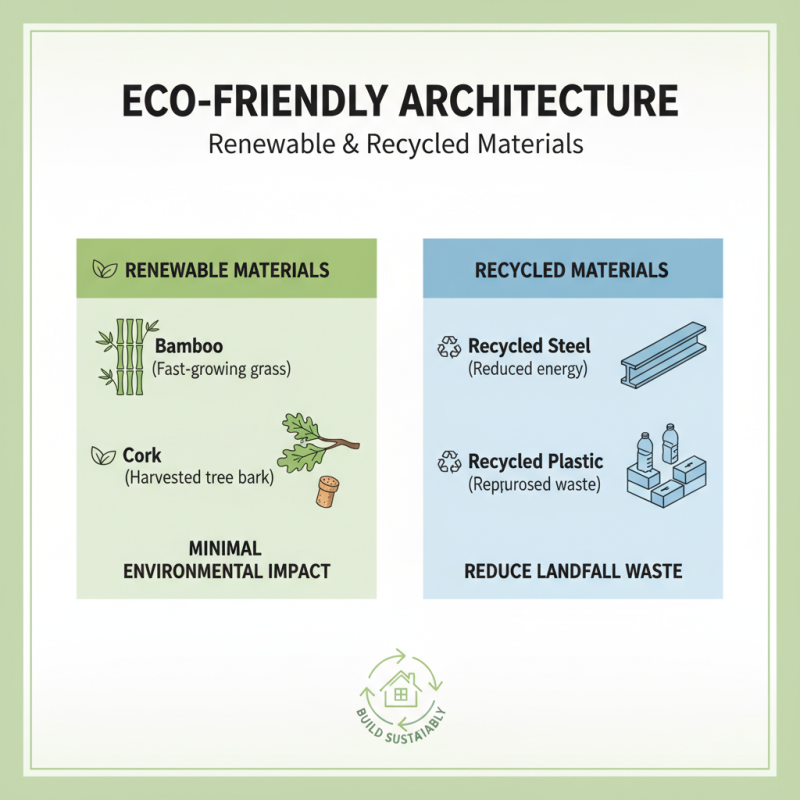
Choosing sustainable building materials is crucial for eco-friendly architecture. Focusing on renewable and recycled options can make a significant difference. Renewable materials, such as bamboo and cork, are fast-growing and have minimal environmental impact. These resources can efficiently replace traditional materials.
Recycled materials, like reclaimed wood or recycled metal, help reduce waste. They lower the demand for new resources, conserving energy and raw materials. However, sourcing quality recycled materials can sometimes be a challenge. Not all reclaimed items meet safety or durability standards.
Consider the life cycle of materials. What happens when they reach the end of their usable life? Some options are not easily recyclable. This requires careful reflection on material choices. Balancing aesthetics with sustainability can be difficult, but it leads to better design outcomes. Engaging with local suppliers can also bring unique finds into your project.
Understanding Local Sourcing and Its Benefits
Choosing sustainable building materials requires an understanding of local sourcing. Local materials significantly reduce transportation emissions. They often have a lower environmental impact compared to shipped alternatives. Using materials from nearby suppliers supports local economies. This choice also fosters community relationships.
Another benefit lies in the unique characteristics of local materials. They reflect the regional climate and culture. A local stone or wood can provide visual and functional benefits specific to the area. However, local sourcing can pose challenges. Availability and quality can vary seasonally. Sometimes local options may not meet specific design needs.
It’s also essential to consider the long-term performance of materials. While some local materials may be cheaper upfront, their durability must be assessed. Investing in higher-quality, local materials may yield better results over time. Designers should evaluate personal values alongside community needs when selecting materials. Finding the right balance can be complex but rewarding.
How to Choose Sustainable Building Materials for Architecture
| Material Type |
Local Sourcing Benefits |
Sustainability Rating |
Typical Uses |
| Recycled Steel |
Reduced energy usage; supports local economy |
A+ |
Framing, roofing |
| Bamboo |
Rapid growth; low transportation emissions |
A |
Flooring, cabinetry |
| Reclaimed Wood |
Minimizes waste; unique aesthetic |
A |
Furniture, accent walls |
| Cork |
Harvested sustainably; biodegradable |
A |
Insulation, flooring |
| Fiber Cement |
Locally produced; durable |
B+ |
Siding, roofing |
Considering Performance and Durability in Material Choice
When selecting sustainable building materials, performance and durability are crucial. High-quality materials significantly enhance a building's lifespan. Reports indicate that buildings account for 39% of global carbon emissions. Using sustainable materials can mitigate this impact, yet their performance must not be compromised.
Tips for Choosing Materials: Assess their life cycle. Understanding the environmental impact from production to disposal is essential. For instance, concrete's durability can reduce the need for frequent repairs. A study found that using recycled aggregates in concrete can lower emissions by 30%.
Durability affects not just the environment but also costs. A durable building requires less maintenance, resulting in long-term savings. Choose materials that can withstand local weather conditions. Some materials may have impressive stats but can fail under extreme conditions. Research from the National Institute of Standards and Technology shows that durable materials can save up to 50% over a building’s lifecycle when compared to less resilient options. Balancing sustainability with performance requires careful evaluation.