What is an Electric Forklift Battery and How Does It Work?
An Electric Forklift Battery is vital for modern material handling. These batteries power electric forklifts, enabling them to lift heavy loads efficiently. Understanding their function is crucial for operators and businesses alike.
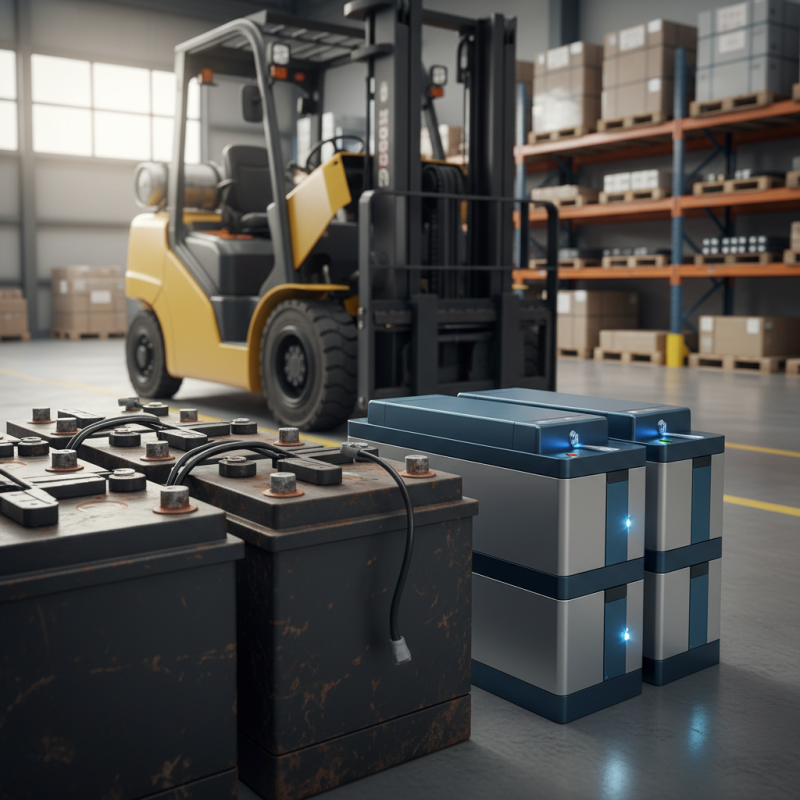
Electric Forklift Batteries come in various types, including lead-acid and lithium-ion. Each type has its advantages and challenges. Lead-acid batteries are traditional, cost-effective, and reliable. However, they require regular maintenance and can be heavy. On the other hand, lithium-ion batteries are lighter and offer faster charging times. Yet, they tend to be more expensive upfront.
Choosing the right Electric Forklift Battery involves careful consideration. It requires balancing initial costs with long-term performance. Additionally, battery care is essential for safety and longevity. A well-maintained battery can significantly improve operational efficiency. Regular inspections can prevent unexpected failures. While there may be obstacles in making the right choice, understanding your needs will lead to better performance. The ongoing evolution of battery technology offers promising solutions for the future.
What is an Electric Forklift Battery?
Electric forklift batteries are essential components in modern warehousing and logistics. They provide the power needed for electric forklifts to operate efficiently. Typically, these batteries are made from lead-acid or lithium-ion materials. Each type has its unique benefits and drawbacks.
Lead-acid batteries are widely used due to their lower cost. They require regular maintenance and have a shorter lifespan. On the other hand, lithium-ion batteries are more expensive but offer longer run times and quicker recharges. Both types contribute to reducing carbon footprints compared to diesel alternatives. This transition is crucial for businesses focusing on sustainability.
While electric forklift batteries are generally reliable, issues do arise. Degradation over time can diminish performance. Users should familiarize themselves with battery care. Effective monitoring can prevent unexpected downtime. Understanding both the advantages and limitations of these batteries enables better decision-making in warehouse operations. Insights gained from experience can drive continuous improvement in their use.
Key Components of Electric Forklift Batteries
Electric forklift batteries are essential for powering the equipment used in warehouses and factories. Understanding their key components can help maximize efficiency. Battery types include lead-acid and lithium-ion, each with unique properties. Lead-acid batteries are heavy and require routine maintenance. They have a shorter lifespan compared to their lithium-ion counterparts, which are lighter and more energy-dense.
A typical electric forklift battery comprises several cells. Each cell generates a specific voltage and is interconnected to form the battery system. Additionally, a battery management system oversees health and performance. This system ensures cells are charged evenly. Overcharging or undercharging can lead to damage. Many end-users overlook maintenance schedules, which could result in reduced battery life.
Another crucial component is the battery casing. It protects cells from physical damage and environmental factors. A deteriorating casing can lead to leakage, which is hazardous. Checking for cracks or signs of wear is essential. Regular inspection of terminals is also important for good conductivity. Users often underestimate the significance of these checks. Responsible battery usage can prevent costly operational hiccups and ensure reliability in daily tasks.
What is an Electric Forklift Battery and How Does It Work? - Key Components of Electric Forklift Batteries
| Component | Description | Function | Maintenance Tips |
| Lead-Acid Battery | Traditional battery type, consisting of lead plates and electrolyte. | Provides power for operation and lifting. | Regularly check water levels and clean terminals. |
| Lithium-Ion Battery | Modern, lightweight alternative with higher energy density. | Increases efficiency and reduces downtime. | Implement proper charging practices to extend lifespan. |
| Battery Management System (BMS) | Electronics that monitor and manage battery performance. | Ensures safe charging and discharging. | Keep software updated for optimal performance. |
| Charger | Device used to refill the battery's charge. | Converts AC to DC to charge battery. | Inspect and maintain connection integrity. |
How Electric Forklift Batteries Function
Electric forklift batteries are essential to the operation of modern warehouses and distribution centers. They typically use lithium-ion or lead-acid technology. These batteries store electrical energy for powering electric forklifts, enabling efficient material handling. They convert stored energy into kinetic energy when the forklift moves.
The functioning of these batteries involves a chemical reaction within their cells. In a lead-acid battery, sulfuric acid interacts with lead plates, creating electricity. Lithium-ion batteries, in contrast, allow lithium ions to move between anode and cathode, generating power. Both types require careful maintenance to optimize performance and lifespan. Regular charging is crucial. Overcharging or using a depleted battery can lead to reduced efficiency.
Battery performance can be affected by various factors. Temperature, for instance, plays a vital role. Extreme heat can degrade battery cells more quickly, while cold can impact energy output. Understanding these variables can enhance battery usage. Operators must learn how to recognize signs of wear or inefficiency. This information can guide better maintenance practices, extending the battery's service life.
Charging Mechanisms for Electric Forklift Batteries
Electric forklift batteries are essential for powering material handling equipment. Their charging mechanisms are vital for ensuring operational efficiency. Understanding how these charging systems work can lead to better performance and longer battery life.
Typically, electric forklifts use either lead-acid or lithium-ion batteries. Lead-acid batteries require longer charging times, often 8 to 12 hours. In contrast, lithium-ion batteries can charge in just a few hours, but they are generally more expensive. According to the Battery Council International, the average lifespan of lead-acid batteries is 1,500 cycles while lithium-ion batteries can last up to 5,000 cycles. This discrepancy highlights the need for businesses to evaluate their charging strategies based on battery types.
Charging mechanisms fall into several categories, including standard and opportunity charging. Standard charging involves a full, overnight charge, which minimizes downtime. Opportunity charging allows for brief charging sessions throughout the day. However, this can lead to overheating if not managed properly. Reports from the Material Handling Industry indicate that proper charging practices can improve battery efficiency by as much as 30%. Businesses need to remain mindful of their battery management to prevent performance issues.
Advantages of Electric Forklift Batteries Over Other Power Sources
Electric forklift batteries provide a reliable power source, gaining popularity in various industries. Their advantages over traditional propane or diesel options are significant. For example, electric batteries eliminate the emissions produced by fossil fuels. This leads to a healthier work environment. Workers benefit directly from reduced air pollution.
Another advantage is the lower operating costs. Electric batteries require less maintenance than their gas-powered counterparts. They are simpler to operate, which can reduce training time for new operators. With fewer moving parts, the risk of mechanical failure decreases. However, the upfront cost of electric batteries may still deter some businesses.
Charging infrastructure is also essential. Businesses must consider where to charge the batteries. This can lead to space constraints in warehouse environments. Despite these challenges, the investment in electric forklift batteries often pays off over time. Many businesses find they are more efficient and cost-effective in the long run. Electric batteries combine performance with sustainability, making them a worthwhile consideration.