Natural beauty for your favorite space
Why Choose Innovative Sustainable Building Materials?
Buildings are no longer judged only by appearance, cost, or construction speed. Their material choices shape emissions, resource use, indoor comfort, and long-term resilience. The United Nations Environment Programme and GlobalABC reported that buildings and construction produced 37% of global energy-related carbon emissions in 2022. The sector also used approximately 34% of global energy demand. These figures make material innovation a practical necessity, not a decorative trend.
Innovative Sustainable Building Materials can reduce environmental pressure through recycled steel, low-carbon cement, engineered timber, bio-based insulation, and locally sourced aggregates. A circular approach may also preserve value after demolition. William McDonough, an architect and circular-design pioneer, expressed this principle simply: “Waste equals food.” His statement encourages designers to treat discarded materials as future resources. Real projects must still verify that ambition. Environmental Product Declarations, lifecycle assessments, durability testing, and responsible sourcing records provide stronger evidence than marketing claims.
The details matter. A wall filled with cellulose insulation may improve thermal performance, while a recycled-content floor may reduce landfill waste. Yet transportation distances, moisture exposure, fire safety, maintenance, and end-of-life recovery can change the final impact. Some promising materials remain expensive or difficult to obtain. That is an uncomfortable limitation. Sustainable design is not automatically sustainable. This article examines how Innovative Sustainable Building Materials can support measurable carbon reduction, healthier interiors, and more adaptable buildings. It also questions where these solutions fall short, because credible progress requires evidence, professional judgment, and honest reflection.
What Are Innovative Sustainable Building Materials?
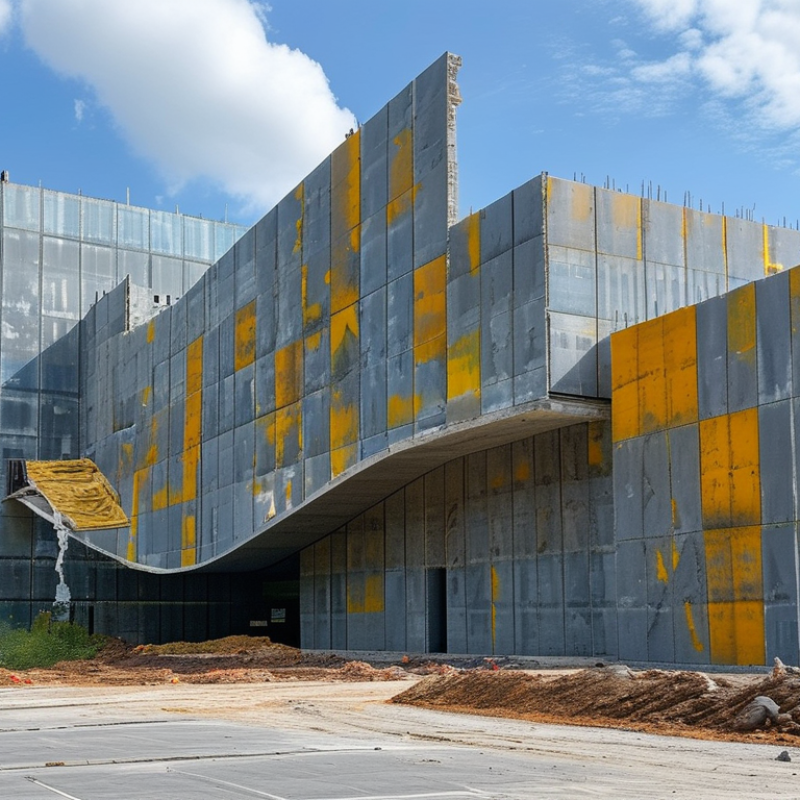
Innovative sustainable building materials are products designed to reduce environmental harm while performing reliably in real buildings. They may use recycled, renewable, reclaimed, or low-impact ingredients. Some are familiar. Reclaimed brick, bamboo, and engineered timber can reduce demand for newly extracted resources. Others are newer, such as panels made with agricultural fibers or concrete mixes containing industrial by-products. The important feature is not novelty alone. It is the material’s full life cycle, from extraction and manufacturing to maintenance and disposal.
In practice, material selection requires more than reading a green label. A low-carbon panel still needs suitable strength, moisture resistance, fire performance, and safe indoor emissions. Designers should review testing records, environmental product declarations, installation guidance, and local building requirements. They should also ask how far the material travels and whether replacement parts are available. Numbers can mislead. A product with recycled content may have a short service life, while a simple local material may remain useful for decades.
Innovative materials can also improve comfort. Insulated wall systems may reduce drafts, and reflective surfaces can limit heat gain on sunny afternoons. Yet performance depends heavily on correct detailing. A poorly sealed joint can waste the benefits of an advanced product. I would not call every new material sustainable. Some claims remain incomplete, and manufacturing data can change. Careful project teams should test samples, consult qualified specialists, and compare durability before choosing a material that merely sounds progressive.
How Do They Reduce Environmental Impact?
Innovative sustainable building materials can reduce environmental impact before a building opens. In renovation projects, material choices influence carbon emissions, waste, water use, and indoor comfort. Recycled timber, low-carbon concrete mixes, and plant-based insulation can replace more resource-intensive options. Less waste matters.
Manufacturing is only one part of the picture. A material’s full life includes extraction, transport, installation, maintenance, and disposal. Life-cycle assessments help project teams compare these stages with measurable data. Verified environmental product declarations can reveal hidden emissions and recycled content. However, the calculation is not perfect. Data can be incomplete, and transport distances may change.
Durable materials often reduce replacement waste over decades. High-performance insulation can also lower heating and cooling demand, especially when installed without gaps around windows and wall joints. Water-efficient surfaces and locally recovered materials may reduce pressure on regional resources. Yet “natural” does not always mean sustainable. Poor harvesting, chemical treatment, or short service life can weaken the environmental benefit. Designers should examine performance, maintenance needs, repairability, and end-of-life options together. A material that looks impressive on paper may perform poorly on a busy construction site. Real results depend on careful installation and honest monitoring.
Which Performance Benefits Do They Offer?
Innovative sustainable building materials are judged by performance, not novelty. Better insulation can keep interior temperatures steadier, reducing heating and cooling demand. The International Energy Agency’s 2023 Buildings report states that buildings consume about 30% of global final energy and produce roughly 26% of energy-related emissions. Materials that reduce heat transfer can therefore improve comfort and operating efficiency.
They can also strengthen durability and resilience. Moisture-resistant panels, low-carbon concrete mixes, and engineered timber may reduce maintenance needs when correctly specified. The United Nations Environment Programme’s 2023 Global Status Report estimates that buildings and construction generate about 37% of global energy-related and process emissions. Lower-impact materials can reduce embodied emissions, especially when transportation, manufacturing, and service life are measured together. That calculation needs evidence.
Acoustic performance is another practical benefit. Dense recycled-content assemblies can help limit noise between rooms, while breathable wall systems may manage indoor humidity more effectively. However, sustainable does not automatically mean superior. Poor installation can create thermal bridges, trapped moisture, or premature repairs. Project teams should review product declarations, laboratory results, local climate data, and whole-life carbon assessments before approval. The World Green Building Council notes that building performance depends on both material selection and building operation. A promising material can still fail in a poorly detailed wall. Real-world monitoring matters.
How Do They Support Healthier Buildings?
Healthier buildings begin with the materials people touch, breathe around, and live with every day. Innovative sustainable materials can reduce indoor pollutants while using fewer resources. Low-VOC paints, formaldehyde-free panels, and natural fiber insulation help limit irritating chemical emissions. Fresh air matters too.
In occupied buildings, material choices affect comfort in visible ways. A well-insulated wall keeps a bedroom warmer near the window. Moisture-resistant finishes can reduce damp corners and mold risks. Recycled cellulose insulation also softens outside noise, making conversations and sleep easier. These benefits should be verified through product testing, emissions data, and local building standards. Green labels alone are not enough.
No material is perfect. Some natural products require careful moisture control, while recycled materials may vary in performance. I have seen a beautifully designed interior feel unhealthy because ventilation was poorly planned. That mistake is easy to overlook. Designers should check material safety, humidity levels, maintenance needs, and installation quality together. A non-toxic floor can still cause problems if adhesives release strong odors. A durable wall finish may also need more energy to produce. Better decisions come from comparing the complete life cycle, not trusting one attractive claim. That careful process supports cleaner air, steadier temperatures, and buildings that feel genuinely safer.
| Material or Strategy | Typical Resource Profile | Indoor-Air-Quality Benefit | Moisture, Fire and Durability Considerations | Carbon and Circularity Contribution | Recommended Verification |
|---|---|---|---|---|---|
| Cellulose Insulation | Approximately 80–85% recycled paper content is common in cellulose insulation products, although specifications vary. | Usually contains no added formaldehyde when manufactured with suitable binders. Proper installation can reduce drafts and improve thermal comfort. | Requires appropriate moisture control and detailing. Fire-retardant treatment is commonly used, and installation should follow local fire-code requirements. | Uses a high proportion of recovered fiber and can reduce demand for virgin insulation feedstock. | Review the product declaration, safety data sheet, recycled-content documentation and emissions testing. |
| Wood-Fiber Insulation | Made primarily from renewable wood fibers; recycled or recovered fiber content depends on the manufacturing process. | Low-emitting formulations can support healthier indoor air when adhesives, binders and surface treatments are properly controlled. | Vapor-open assemblies can assist moisture management, but the wall design must be checked for condensation risk. Fire performance varies by product density and treatment. | Can store biogenic carbon during the service life of the building. Responsible forestry certification and end-of-life planning are important. | Check the environmental product declaration, forestry-source information, moisture design and fire classification. |
| Low-Emission Paints, Sealants and Adhesives | Water-based products often have lower solvent content than conventional solvent-based alternatives, but performance varies by formulation. | Products tested for low chemical emissions can help reduce indoor concentrations of volatile organic compounds after installation. | Correct curing, ventilation and substrate preparation are essential. Low-emission performance does not replace adequate ventilation. | Longer-lasting coatings reduce repair frequency, material consumption and waste over the building life cycle. | Look for independent emissions testing, product-specific VOC information and compliance with applicable indoor-air-quality standards. |
| Reclaimed Timber | Reuses existing structural or finish material and can avoid the extraction and processing of new timber. | Generally supports good indoor air when cleaned and finished with low-emission coatings. Previous chemical treatment must be investigated. | Each piece should be inspected for moisture damage, insects, fasteners and structural capacity. Fire performance depends on the application and assembly. | Extends the service life of stored biogenic carbon and diverts usable material from disposal. | Require chain-of-custody information where available, contaminant screening, grading and structural inspection records. |
| Low-Clinker Concrete | Replaces part of Portland cement with supplementary cementitious materials or other lower-carbon binders; the substitution rate is project-specific. | After curing, concrete is generally a low-emitting interior material. Dust control during cutting and grinding is essential during construction. | Provides high thermal mass and good durability. Mix design must be checked for strength development, shrinkage, exposure conditions and curing requirements. | Cement production is a major source of construction-related greenhouse-gas emissions; reducing clinker content can lower the concrete mix’s embodied carbon. | Use a project-specific environmental product declaration and verify compressive strength, durability and curing requirements. |
| Recycled-Content Steel | Steel production commonly uses a mix of recycled scrap and newly produced iron; the actual recycled share depends on the production route and supply region. | Factory-finished steel normally contributes minimal emissions after installation. Protective coatings should be selected for low chemical emissions where exposed indoors. | Non-combustible and highly durable, but corrosion protection and thermal-bridge control are necessary in the building envelope. | Steel can be repeatedly recycled, and designing bolted or demountable connections can improve future reuse. | Request a product-specific environmental product declaration, recycled-content statement and corrosion-protection specification. |
| Recycled Glass or Mineral Aggregate | Can incorporate post-consumer or post-industrial glass and mineral waste, with content varying by product and region. | Inert mineral products generally have low chemical emissions when installed without solvent-based binders or coatings. | Moisture resistance and durability are typically strong, but dust protection is needed during handling and cutting. | Reduces demand for virgin mineral resources and can divert suitable waste from landfill or downcycling. | Confirm recycled-content percentage, particle-safety requirements, emissions data and intended-use performance. |
| Design for Disassembly | Uses mechanical fasteners, accessible connections and material separation instead of permanent composite assemblies where practical. | Allows damaged finishes and components to be replaced without unnecessary demolition, helping reduce construction dust and occupant disruption. | Requires coordinated detailing, inspection access and clear maintenance procedures throughout the building life cycle. | Improves the potential for repair, reuse and high-value recycling while reducing future demolition waste. | Document material passports, connection details, maintenance requirements and future recovery instructions. |
Data note: The figures and performance statements are indicative industry ranges or commonly recognized material characteristics. Actual results depend on formulation, climate, installation quality, building design and local regulations. Product-specific environmental product declarations, safety data sheets and emissions test reports should be used for final material selection.
What Factors Should Guide Material Selection?
Choosing sustainable building materials requires more than checking recycled content. Climate, service life, maintenance, and local availability should guide the decision. A material with low manufacturing emissions may perform poorly in a humid coastal environment. Moisture damage can erase its environmental advantages within years.
During a community renovation, I compared insulation samples beside a cold window. The densest option felt impressive, but installation required more specialized labor. That detail changed our cost assessment. Ask how materials are transported, cut, repaired, and eventually reused. Short supply chains often reduce emissions and simplify replacement.
Performance evidence matters. Review verified environmental product declarations, durability data, fire ratings, and indoor air quality information. Independent testing is more dependable than attractive marketing claims. Also examine the building’s expected lifespan and energy demand. A durable material that improves thermal performance may justify a higher initial price. Still, prediction has limits. Occupants may not maintain systems as planned. Designers should allow for mistakes, repairs, and changing needs. A flexible wall assembly, accessible fasteners, and replaceable components can prevent small failures from becoming expensive waste. Safety, accessibility, and worker protection must remain part of the selection process. Cheap is not always practical. Neither is “green” always sustainable.
Why Choose Innovative Sustainable Building Materials?
Material selection should balance environmental performance, durability, cost, safety, and practical availability. The chart below presents an illustrative weighting model for comparing sustainable building materials during early-stage design.
Key takeaway: Life-cycle carbon and durability receive the greatest emphasis because materials that last longer and require fewer replacements can reduce environmental impacts over the building’s service life. Recycled content, resource efficiency, health, cost, and local availability should also be evaluated together rather than in isolation.
Related Posts
-
2026 Best Green Building Supply Cork Flooring Options Available?
-
Your Comprehensive Guide to Choosing the Best Green Building Products for Sustainable Construction
-

Advantages of Choosing Sustainable Construction Materials for Global Buyers
-
7 Smart Tips for Choosing Green Building Supply Solutions
-

Unlocking Savings with Green Building Products Strategies for Reducing Maintenance Costs and Enhancing Aftercare
-
5 Essential Tips to Boost Your Green Building Supply Efforts and Save 30 Percent on Energy Costs